My Interrail route through Central Europe
I somehow never got around to Interrailing before, so I was thrilled I finally got to do a long train trip last year. Because everyone under the age of 27 gets a discount on their Interrail pass, Spring 2025 was a good a time for me to go (I turned 27 in summer). I used an Interrail pass once before to get to Sweden for a cycling trip, but never with the train route being the main part of my holiday. I guess there’s a first time for everything! So, in this blog I’m sharing my full Interrail route through Central Europe, as well as my experiences of long-distance train travel.
If you would like to see this post in a different format, have a look at my trip on Pinerary. This includes some more photos, as well as an overview of accommodation, sights and restaurants I would recommend or skip. The blog you’re reading now contains a more in-depth description of my travel experiences.
Day 1 – Amsterdam > Praha
Amsterdam > Berlin
The first travel day already went wrong before my sister and I even left. I received an email about a week or two beforehand that our chosen route no longer existed. DB (the German train operator) did not provide any alternatives, nor did we get our money back for the seat reservations. You can only get money back if you booked through a DB account or send off a form on paper.
Luckily, we could take the same route 2 hours earlier. The only downside being that we’d need to get up at 5 in the morning to make it to Amsterdam on time to catch our first train to Berlin. The suggested route from Schiedam, where we were sleeping, gave us only 3 minutes to transfer trains in Amsterdam. We knew that wouldn’t be enough, because it takes a long time just to exit the long platforms at Amsterdam Centraal. Instead, we chose an earlier train to the Dutch capital, so we’d have plenty of time. And plenty of time we had…
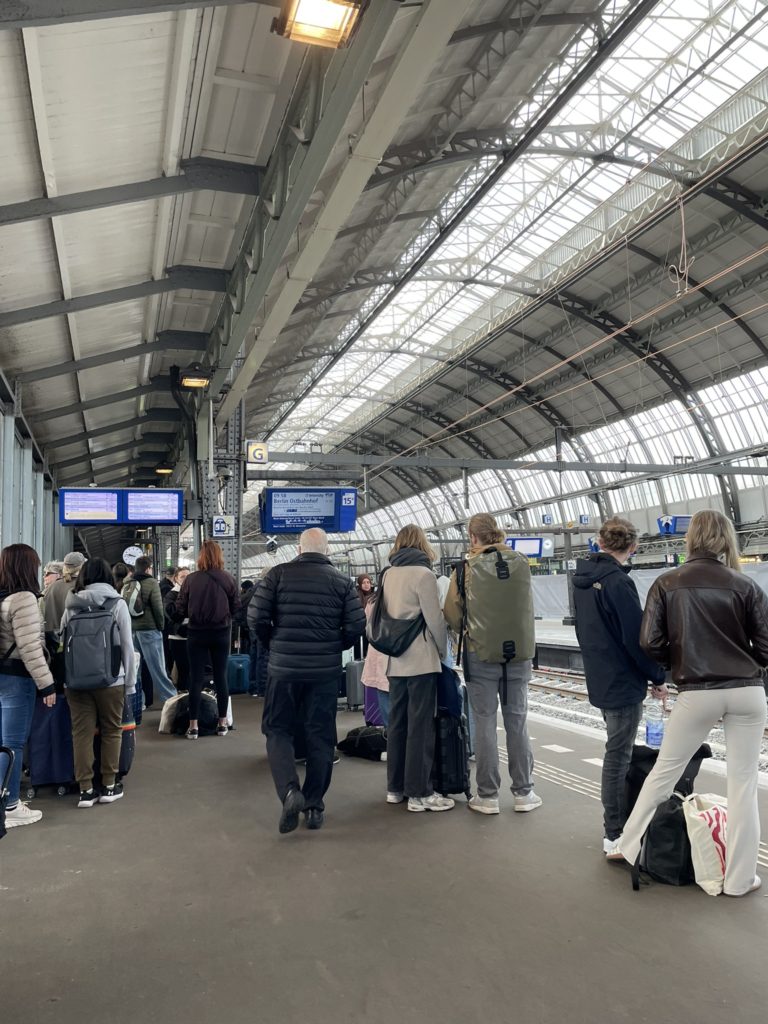
When we got to the platform from which the train to Berlin would leave, the screens displayed a delay. This meant that we could have taken the later train to Amsterdam after all… As time progressed, the delay kept increasing. We got really cold and left the platform to warm up a little. Suddenly, an announcement came through that our train would be leaving in a few minutes, so we rushed back up to the platform. However, no train showed up. From here on, all communication about our train ceased. It got taken of the screens and there were no further announcements. After a while, we actually did see a German train pass through the station at another platform without stopping.
The next train to Berlin was scheduled 2 hours after our train was supposed to have left. We decided to wait for that one, as did everyone else who had booked the earlier train. This later train turned out to be a lot shorter, so it was a challenge to fit everyone in. Normally, people can also use this international train for domestic travel within the Netherlands. Because of the crowdedness, all short-distance passengers were asked to find a different domestic train. My sister and I were lucky enough to find 2 empty seats. By this time we had been waiting on the platform for 2,5 hours. We were really cold, and incredibly glad to be on a train.


Berlin > Praha
The second train from Berlin to Praha also ran the same route 2 hours later. Because we had scheduled a 2-hour layover between both trains, this meant we could have a total delay of up to almost 4 hours and still make it to Praha within one day. Should be easy, right? Well, because the later train to Berlin was so crammed, it took longer for everyone to board. This means it left with a delay. Later on, we experienced a signal failure, causing the train to stand still for about half an hour. The train to Praha did not leave from Berlin Hauptbahnhof, so we also needed time to get from one station to another. It was quite the puzzle to figure out at which stop to get off and where to board the next one. It was going to be a little tight!
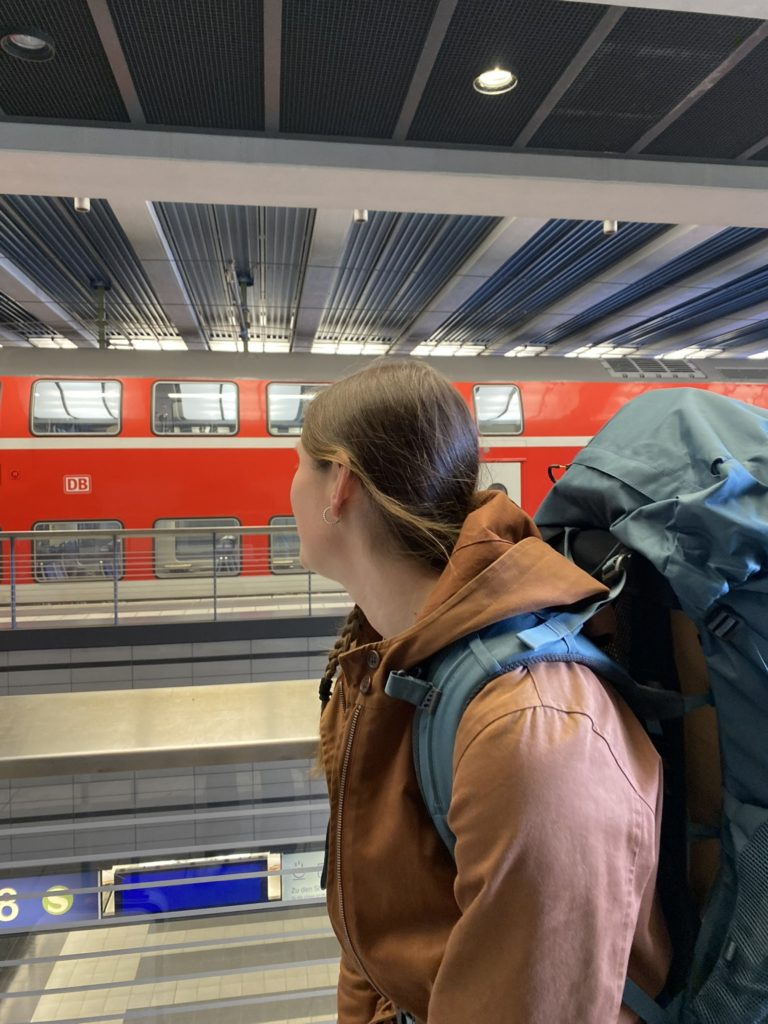
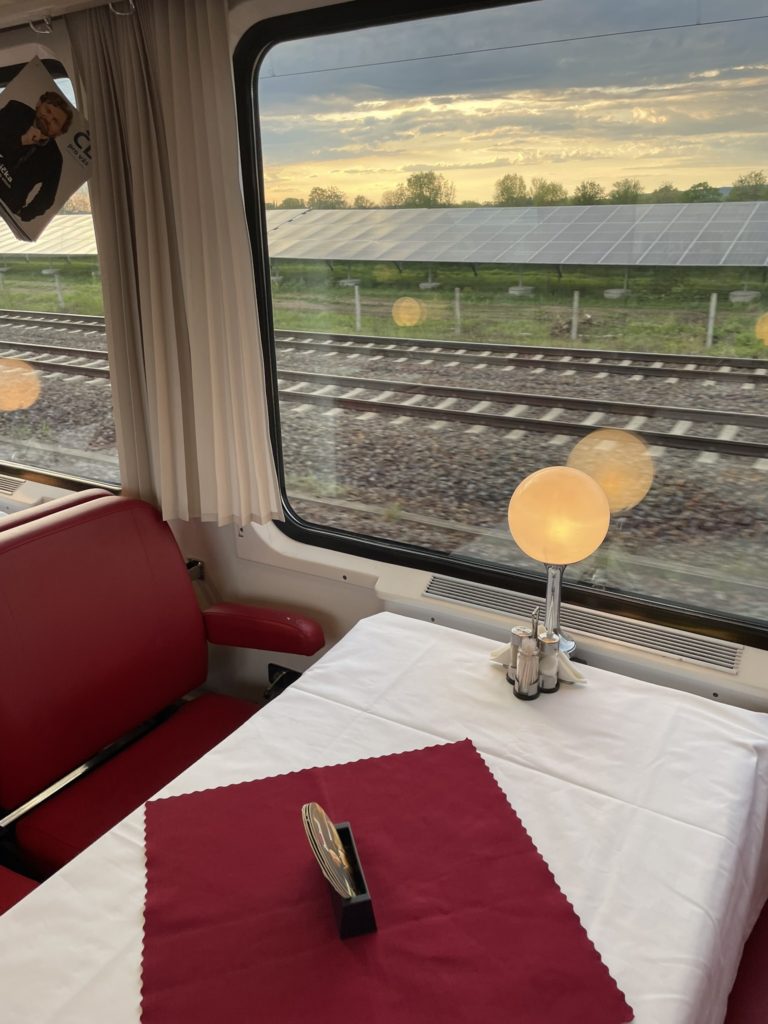
We disembarked at Berlin Spandau and took a regional train to Berlin Gesundbrunnen. In the end, we had enough time to buy lunch at the station. The train to Praha is run by České dráhy (the Czech train operator). The train were were on was really clean, comfortable and modern. The seats were spacious and there were plenty of toilets. The dining car was quite cute, but I read that a more basic one will unfortunately replace it soon. For the entire route, our carriage was quite empty. It filled up a bit more once we crossed the Czech border, but it never got annoyingly busy.
For the best views, I recommend sitting on the left side of the train. Around Bad Spandau, we got some gorgeous views of the Sächsische Schweiz (Saxon Switzerland) National Park. The train follows the Elbe river from Dresden into Czech Republic. We couldn’t see much of the Czech landscape as it started to get dark. The train arrived in Praha with a 20-minute delay, which wasn’t too bad. With a booking for a hostel right next to the main train station, we got to our room around 22:00. All in all, it was an eventful first day of my Interrail route through Central Europe.

Day 2, 3 & 4 – Praha
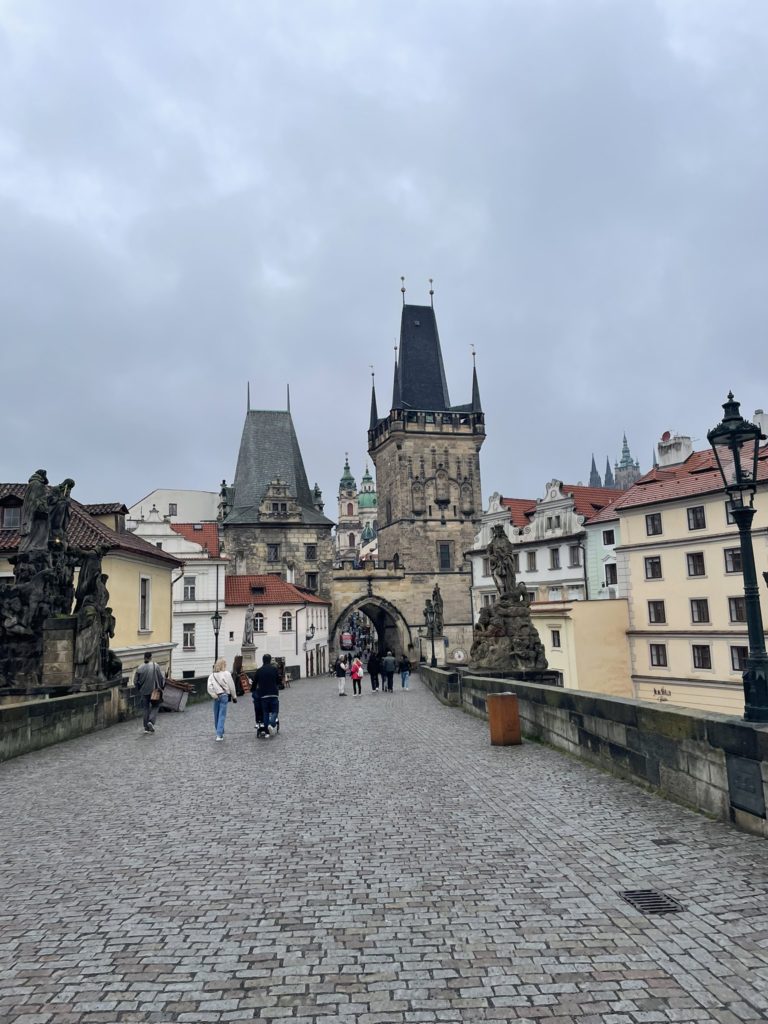
We had 3 full days in Praha, and a half day before continuing on to our next destination. This felt like a good amount of time, though we could have easily filled a few extra days if we had stayed longer. In other words: 5 to 7 days in Praha is the perfect amount, especially for a first time visit. Because I had been to Praha before, we skipped the Petrin Hill and Praha 7 areas. If you’re looking for inspiration on what to do in the Czech capital, you can read my blog on everything I did in Praha.
We used one of our days for a daytrip to Karlštejn. I bought a return ticket for just a few euros instead of using a full day of my Interrail pass. The woman at the ticket office was a bit rude, because I mispronounced the name of the village, but the train itself was fine. The S7 train takes 40 minutes and runs every half hour during the day. Karlštejn is therefore relatively easy to get to, and its castle is worth a visit for sure. The village was very tourist-oriented and felt like a ghost town outside of high season. Nevertheless, it was cool to see the castle and we had lovely weather, so I’m glad we went!
Day 5 – Praha > Brno
After spending the morning in Praha, we boarded a direct train to Brno. We noticed that in Czech Republic, the departure platform is only announced shortly in advance. While you may know the exact time of departure weeks or months in advance, the platform announcement takes place with just 10-15 minutes to spare. That’s quite different from how train platforms are assigned in the Netherlands and the UK! The train ride itself was unremarkable and lasted roughly 2,5 hours (with a 9-minute delay).
We didn’t have seat reservations, so we struggled a little to find free seats. The train we were on was an international one, so most people did have an assigned seat. I had hoped for better views, but there wasn’t much of interest to see, and the weather was quite grey. The train does not cross national parks or anything like that, but I still expected the Czech countryside to be hillier with more forests.
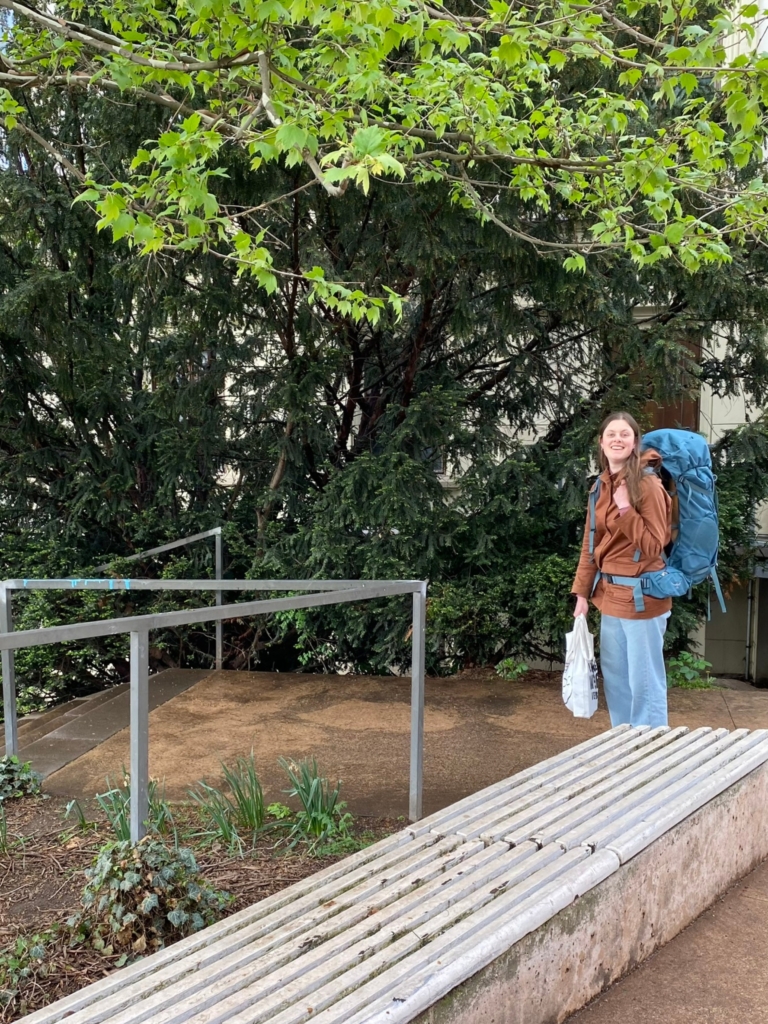
After arriving in Brno, we could immediately check in at our hostel. There was quite a hill to climb to reach the part of town we were staying in. The remainder of the afternoon we spent walking around an impressive museum about Romani culture (recommended by Give Back Guide).
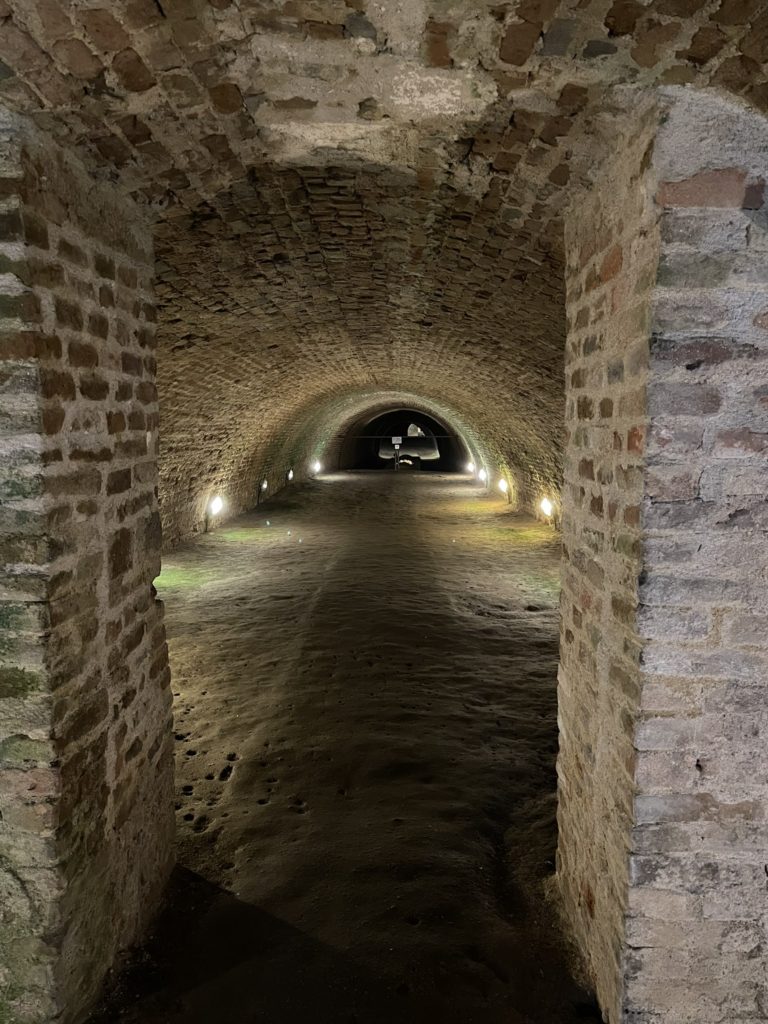
Day 6 – Brno
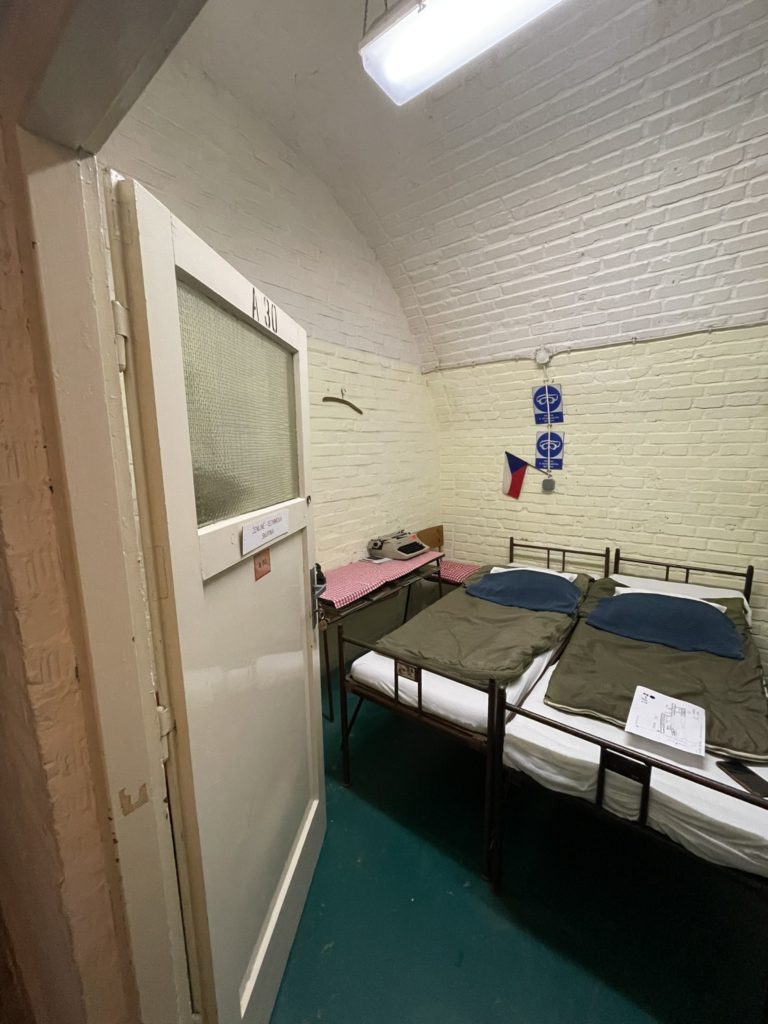
We had one full day in Brno and, to be honest, that was enough. As a university city, Brno is full of students and recent graduates, so there was quite a lively atmosphere. The vibe of the city was completely different to Prague. Despite the centre of Brno also having historic buildings, this city feels more modern. It was raining on and off for most of the day, but that was no problem. Most of our activities took place underground. Even our hostel was an underground nuclear bunker!
Day 7 – Brno > Znojmo
When planning the trip, I thought there was a direct train route between Brno and the southern town of Znojmo. This turned out not to be the case, so we had to take a small detour with a change in Břeclav. We used the transfer time to buy food and walk through a well-maintained park towards the river. The view around the river was disappointing (and the water smelled horrendous). We were happy we hadn’t chosen Břeclav as our destination, despite witnessing a surprisingly good cycle infrastructure.
For some reason, the train between Břeclav and Znojmo falls outside of the Interrail network. I bought a separate ticket for this, which again cost me only a couple of euros. This local train crossed a more rural area and passed lots of tiny stations. There were a few hills and lakes around, but the view mainly encompassed grasslands and villages.
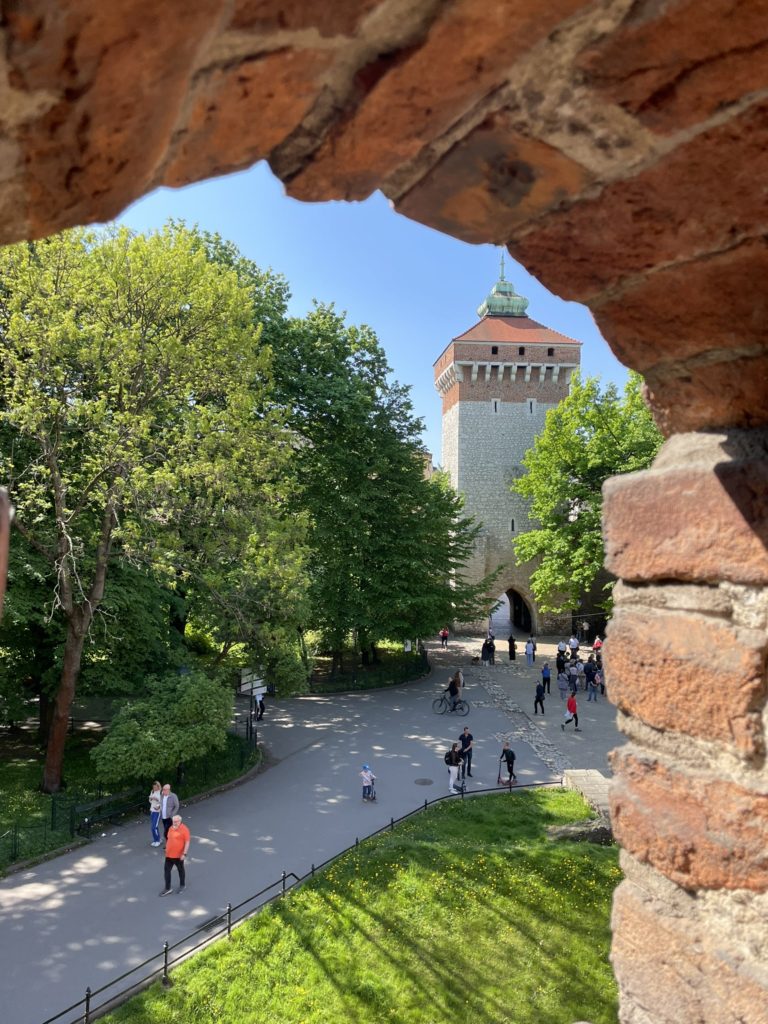
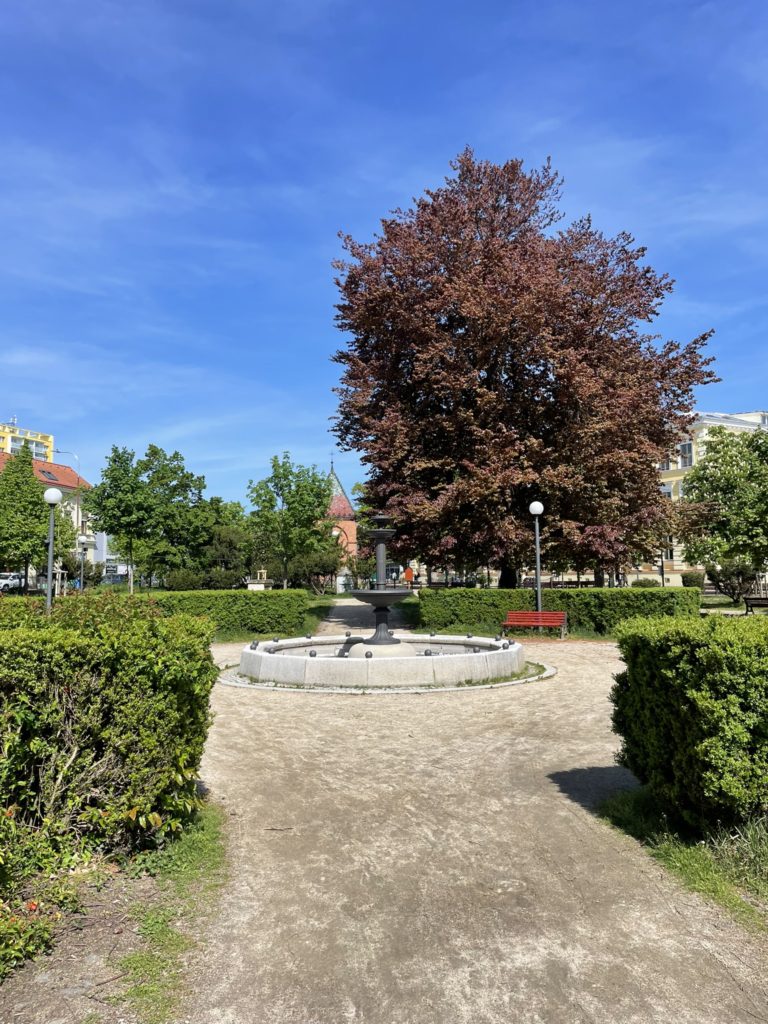
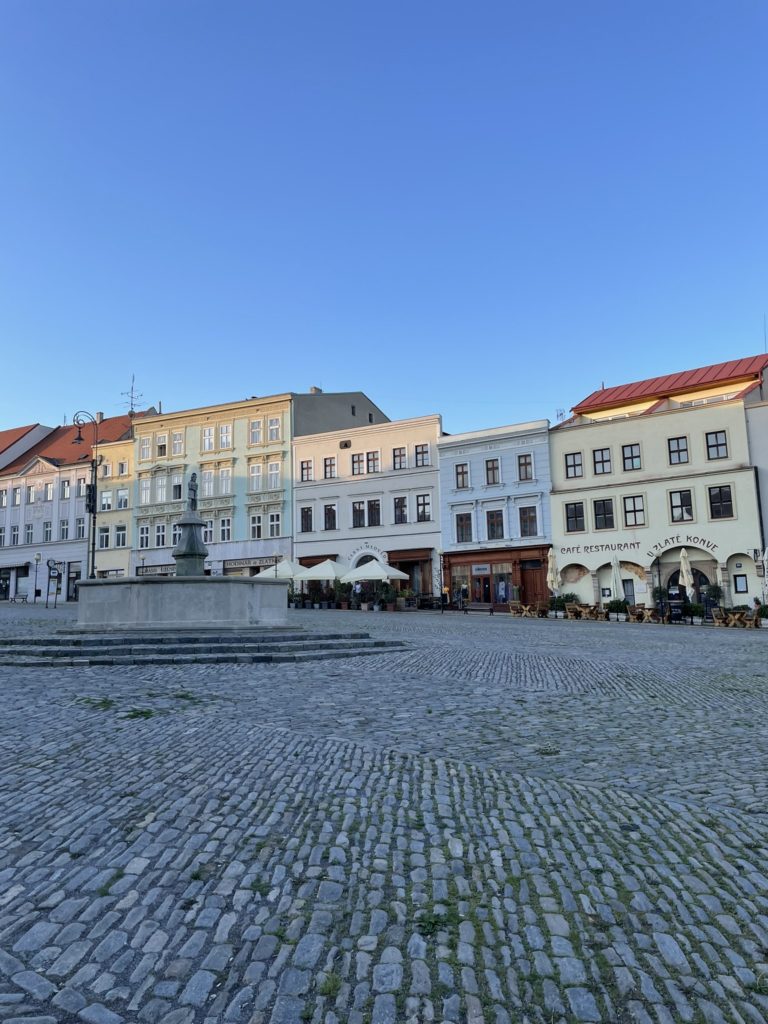
In the afternoon, we wandered around Znojmo and were mega impressed by how beautiful everything looked. The small, windy streets with pastel-coloured houses reminded us of an Italian village. We could hardly believe we had found such a Mediterranean vibe in Czech Republic.
Day 8 – Znojmo
Another reason my sister and I loved Znojmo so much was thanks to the hotel we stayed at. Penzion Kaplanka was brand new (it had opened 2 weeks earlier) with views of a vineyard, a tiny pool and complementary breakfast. The breakfast was not necessarily vegan-friendly, but I managed fine.
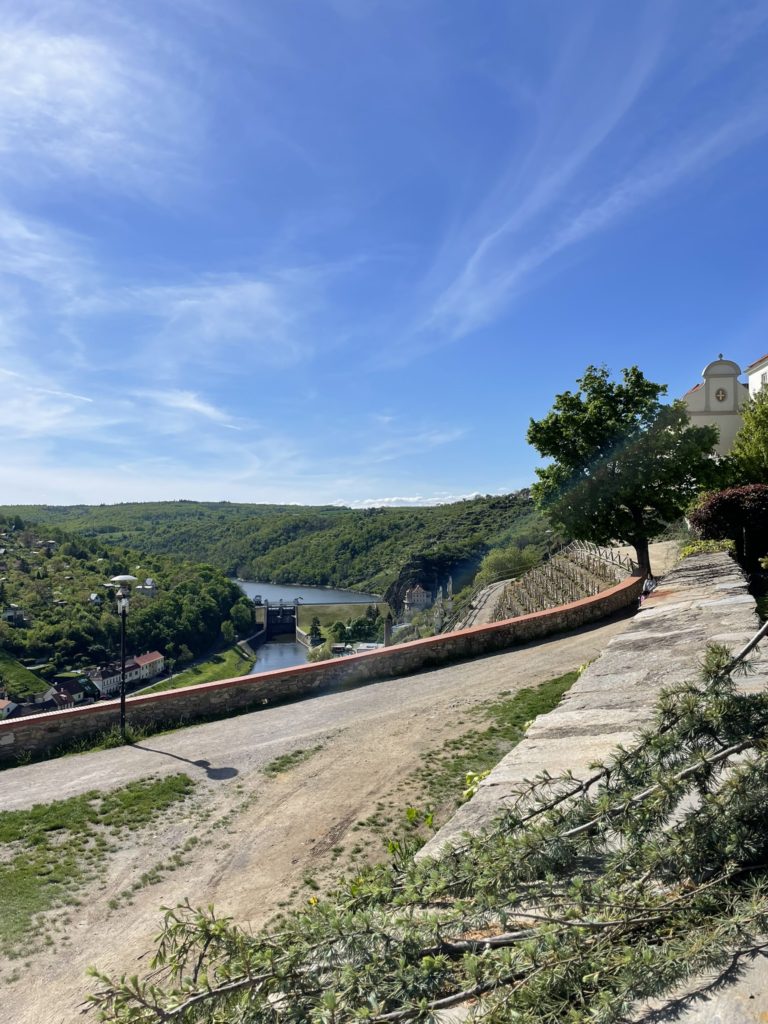
The weather was absolutely amazing, so we had a gorgeous day strolling around the village. We visited the castle, where we unintentionally got a private tour. Our plan was to find a pretty, lesser-known destination without too many tourists and we clearly succeeded. Because Znojmo lies close to the Austrian border, we did see some Austrian tourists. It was still early in the season, so perhaps it gets busier in summer.
There isn’t much to do in Znojmo itself, so we headed towards the river. After a short walk on a green trail alongside the river, we sat down to read and have a picnic. Closer to town, you can rent kayaks or paddleboards, but a dam prohibits you from going further upstream. We initially planned to do a longer hike further into the national park around the rivier, but we took it easy due to being tired.
Day 9 – Znojmo > Kraków
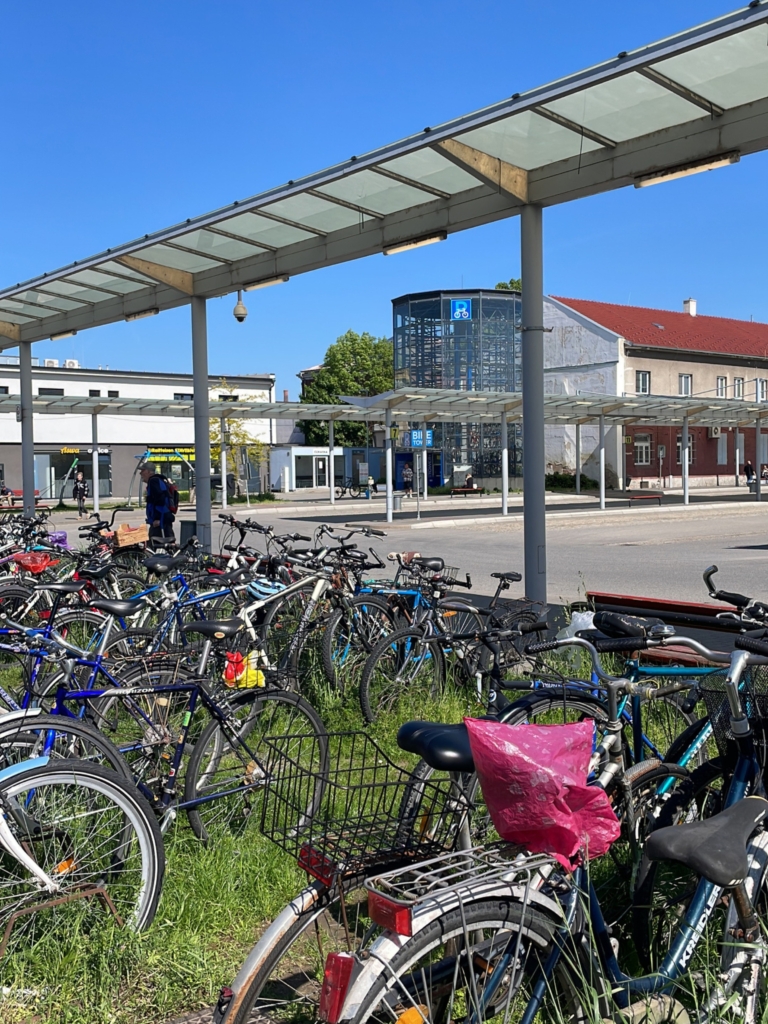
It was sad to say goodbye to my sister, who took an early train directly to Vienna. From there, she made her way back to the Netherlands during the day. I left Znojmo a few hours later in the direction of Kraków. First, I needed to get back to Břeclav. Due to railway maintenance, a bus replaced part of the train route. I felt a bit nervous about it, but is was the smoothest rail replacement experience ever! The bus was already waiting for us at the station and the staff helpfully directed everyone to it.
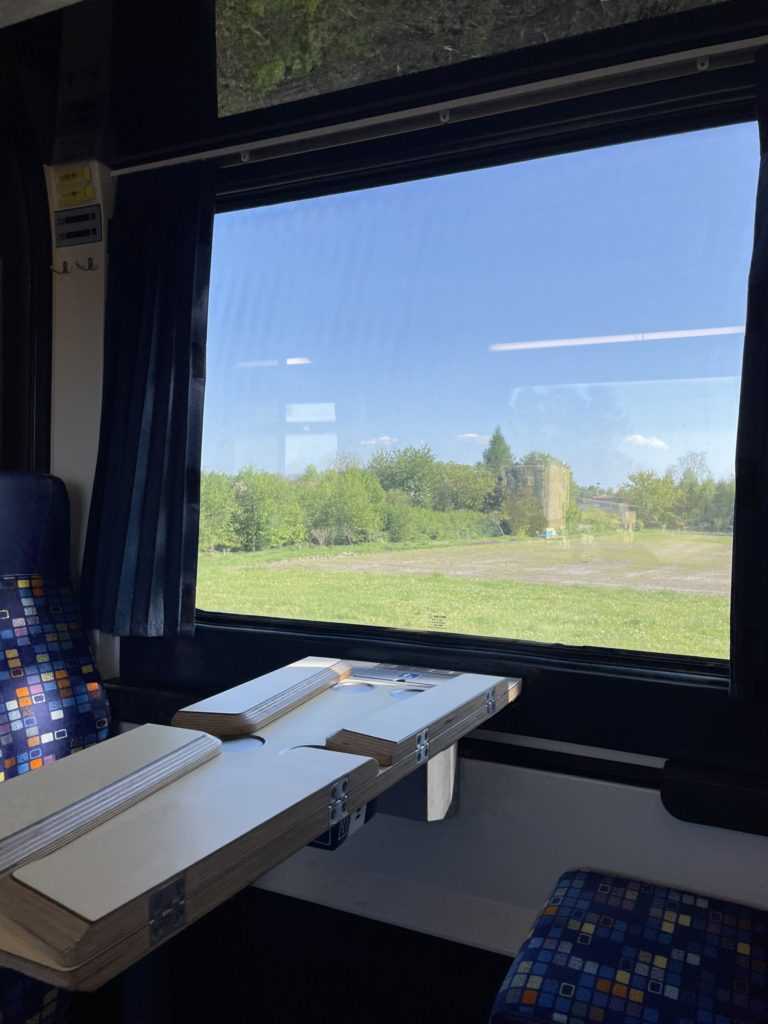
From Břeclav, I took a direct train to Kraków that came all the way from Budapest. The information about the train worried me, because the screens said it went to Warsáw without stopping in Kraków. I looked up the train number online and again couldn’t find any proof that it would stop in Kraków. But, I had a seat reservation for this train: the card above my seat indeed read my destination as Kraków. Very confusing. When I asked, the train conductor explained that the train splits at the border between Czech Republic and Poland to continue as two seperate trains in different directions. That explained a lot! If you are also planning an Interrail route through Central Europe, the train-splitting phenomenon is good to be aware of.
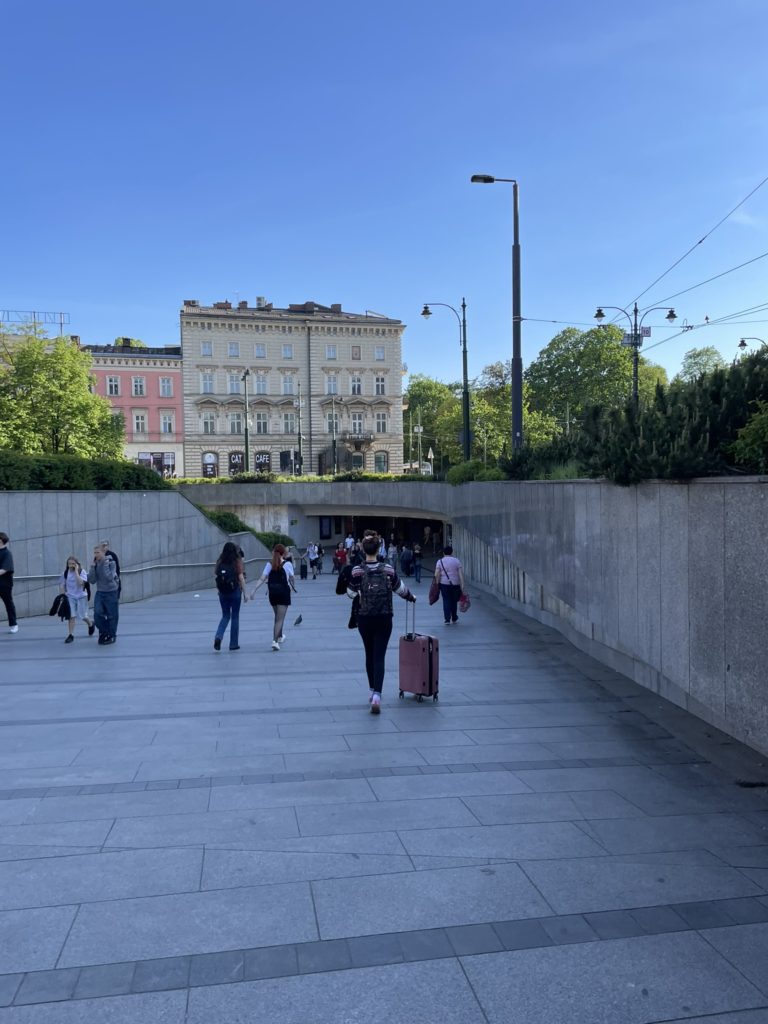
Splitting the train and crossing the border took a long time. We stood still and progressed slowly for quite a while. This was all planned, but still made the 4,5-hour journey feel endless. With a couple of minutes delay, I arrived in Kraków. It was a little overwhelming to suddenly find myself in a crowded city after the tranquil atmosphere in Znojmo.
Day 10 & 11 – Kraków
Altough the historic centre of Kraków is small, there is lots to do! Definitely have a look at which museums are free which day of the week, because I managed to get free entrance to the underground museum (which to be fair wasn’t nearly as good as the ones in Brno). Over 2 full days, I walked lots and visited multiple museums, churches and the castle. I didn’t have enough time to explore much outside of the city centre, such as the Jewish Quarter and Stare Podgórze. Overall, I would absolutely recommend Kraków for a city trip, as long as you prepare yourself for crowds. Aside from a good number of tourists, there are also a lot of Polish students in the city centre. And when in Kraków, make sure to stay at the amazing Aparthotel Plantonia.
Day 12 – Kraków > Poprad
To cross the Tatra Mountains, I booked a seat on the Flixbus. The scenery was absolutely beautiful! Due to a crazy amount of roadworks and a national holiday, the journey to Slovakia took over 4 hours. It was meant to be 3. The bus struggled a bit with the ascent, so at one point the bus driver parked at the side of the road for the motor to cool down. The bus was nearly full for most of the route and there weren’t many stops. Especially when there isn’t as much traffic, I think this bus route is a very convenient and relatively quick way to cross the border between Poland and Slovakia. That being said, it is also the only available public transport option. Overall, I’d highly recommend it, mainly because of the views.


Day 13, 14, 15, 16 & 17 – Poprad
I met a friend in Poprad and together we set out on a few hikes in the area. Though Poprad served as a good base with public transport to 3 national parks, the town itself did not have much going on. When we arrived, it was a national holiday, so shops and restaurants were mostly closed. On another day, we were more successful at exploring what the town had to offer. For the most part, we spent time reading in a bookshop cafe and I paid a visit to the art gallery. In hindsight, we probably would have preferred staying in a mountain village on the edge of the High Tatras. Out of the 3 nearby national parks, this was our favourite hiking area in Slovakia.
Day 18 – Poprad > Bratislava
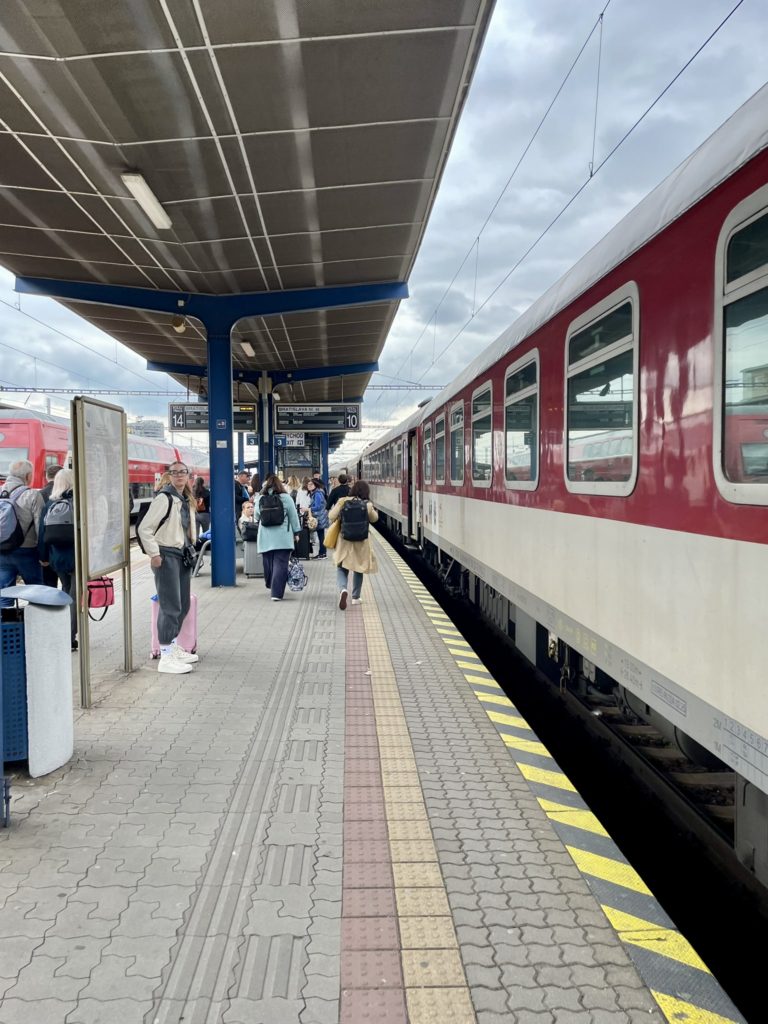
To get to Bratislave, we boarded a 4-hour direct train from Poprad. It’s easy to book a ticket online via the Slovak Rail website. Because train tickets here are cheaper than in other European countries, I didn’t use a day of my Interrail pass. I found the booking process straightforward, and a seat reservation only cost €1. Make sure to check if you’re eligible for any additional discounts.
The views throughout the journey were beautiful. We saw tree-covered hills and lakes for most of the route. Arriving in Bratislava in the afternoon, we had plenty of time to get settled at our hostel and walk around the old town. I met up with Mirka & Daniel from @ourenchantedjourney who took me to an incredible underground tea bar.

Day 19 – Bratislava
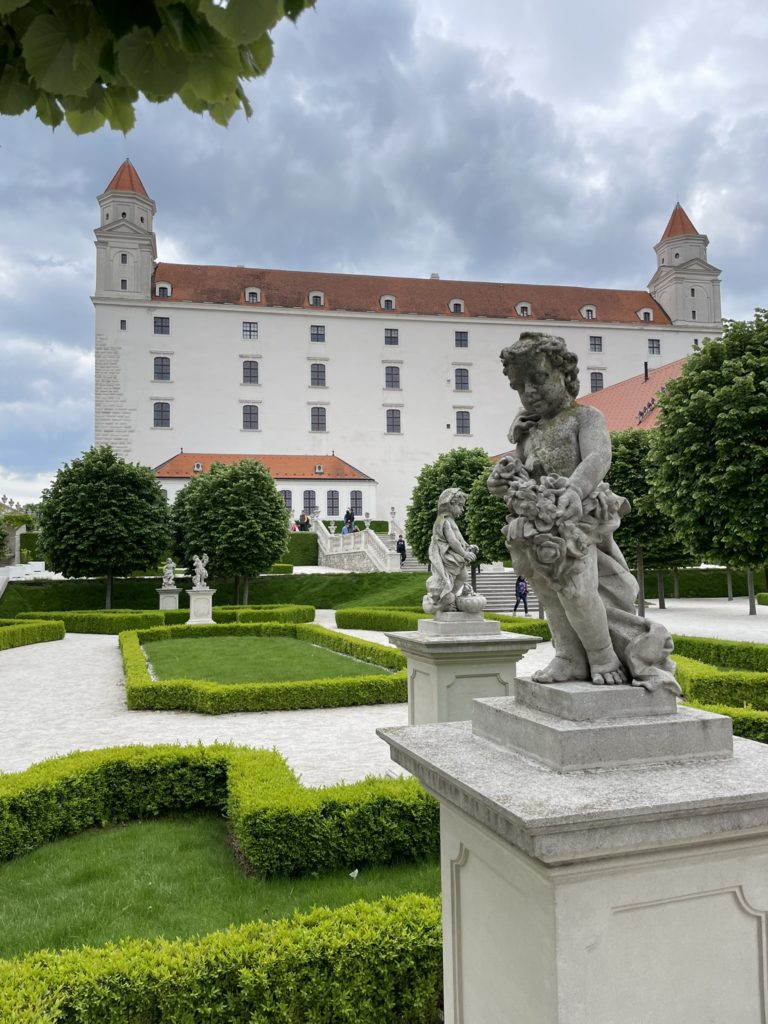
Again, today was a national holiday where most attractions and shops were closed. Poor planning on my end! Still, my friend and I had a nice time strolling around the old town and tryling multiple vegan restaurants. Even though the castle and museums weren’t open, I felt like one full day in Bratislava was sufficient for me. I enjoyed seeing the castle gardens and walking through the compact city centre. Slovakia is definitely a destination for hiking rather than city trips, if you ask me.
Day 20 – Bratislava > Wien
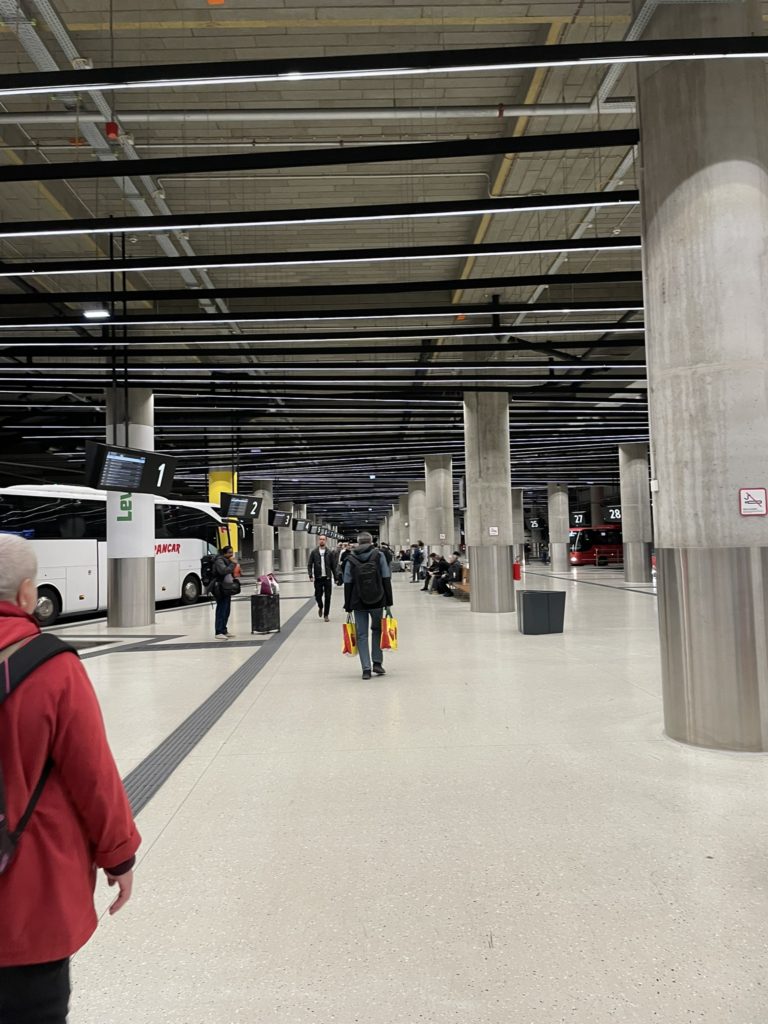
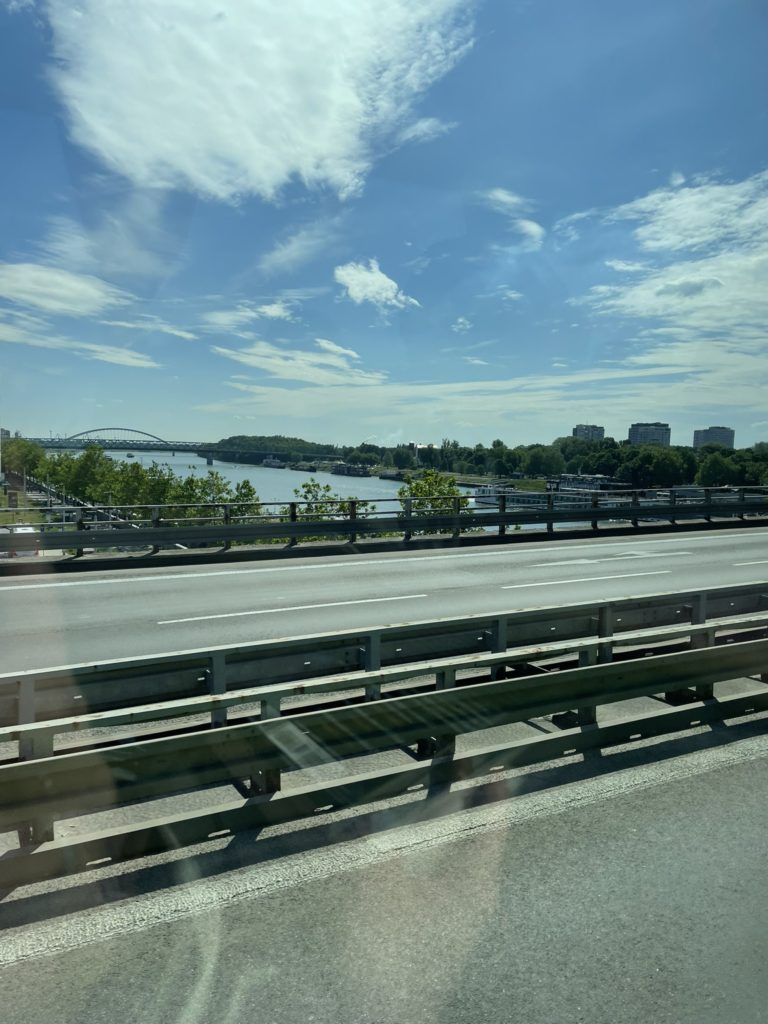
Because of engineering works on the train track, I took a Flixbus from Slovakia to Austria. The journey to Wien Erdberg was smooth and lasted just over an hour. Make sure to double check your departure and arrival bus stations, as Flixbus operates from multiple locations in both Bratislava and Wien.
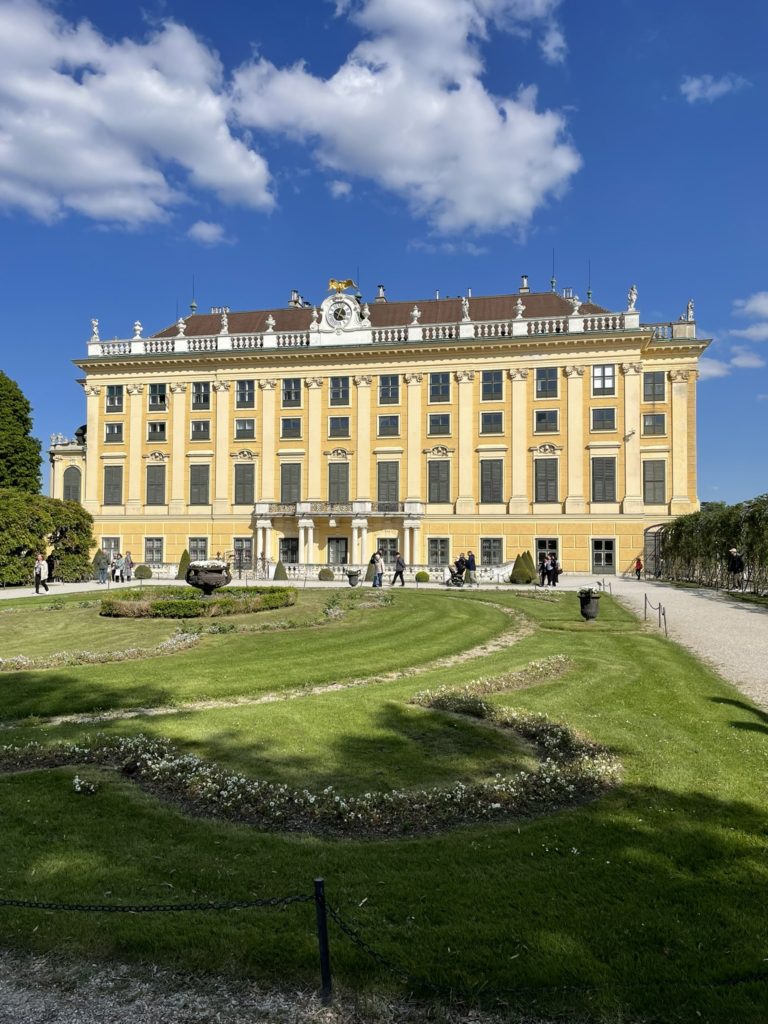
After checking in at one of the coolest hostels in Europe, I walked to Schloss Schönbrunn. To go inside, you had to choose an audio tour. None of the tours seemed to give you access to all of the rooms, and the audio explanations were rather superficial. In my opinion, the gardens were much more impressive than the interior spaces. It was funny to see locals going for a run through the publicly accessible gardens.
Day 21 – Wien
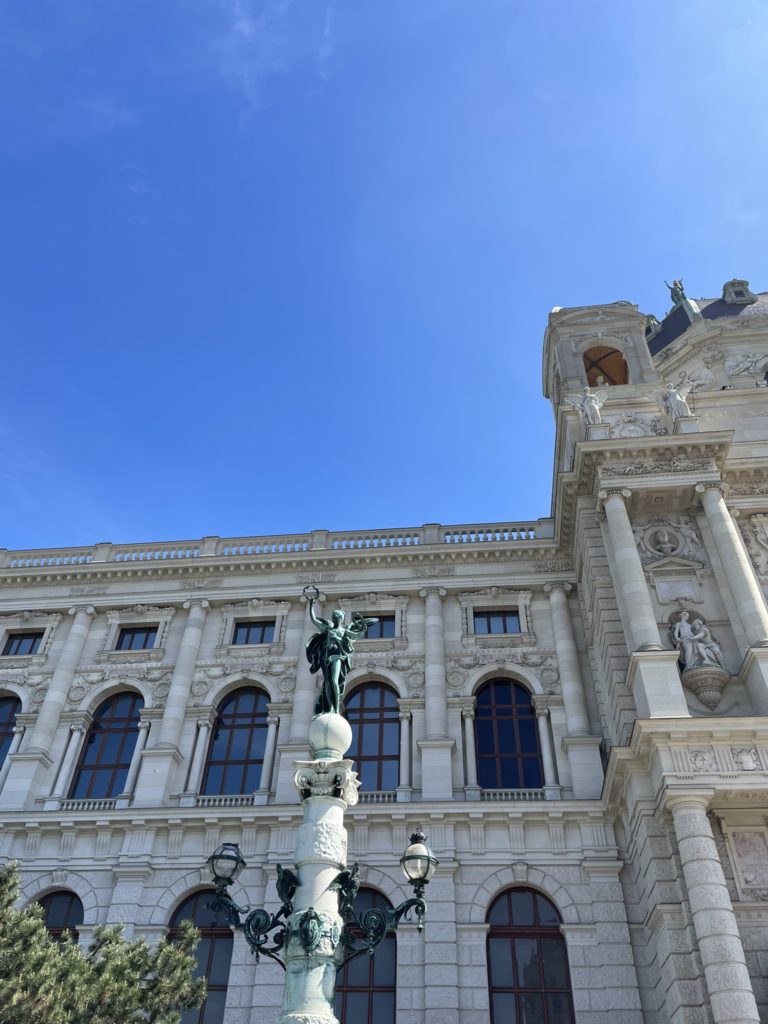
A single day in Wien wasn’t nearly enough! I would love to go back to visit more museums, parks and other sights. Especially in terms of architecture, there so much to see from various time periods. I went for a morning run in the Donaupark and wandered through the city together with someone I met at my hostel. Many of the hostel guests went clubbing, so there is definitely ample opportunity for that, as well.
Day 22 – Wien > Bruxelles
Wien > Frankfurt
It required an early start to catch a morning train to Frankfurt. I had a choice between boarding at Wien Haubtbahnhof and Wien Meidling, so I chose the latter. Up until Linz the views weren’t noteworthy. I had hoped to see mountains, but I appreared to be in the wrong part of Austria for that. The train was mostly empty until we crossed the border into Germany. From Passau, seats started filling up. At the same time, the train started following the Donau river, which resulted in better views.
Frankfurt > Bruxelles
I had a change in Frankfurt and got myself lunch from a nearby cafe. I found a nice salad bar inside of the station, too. The train to Bruxelles arrived at the platform half an hour before departure, and we were allowed to board 15 minutes before. The seats were so spacious that booking a first class ticket would probably not enhance your experience. The comfort was a good thing, because I was about to be on this train for much longer than anticipated. Due to overcrowding on the tracks (not sure how or why that can happen), the train took a detour. Instead of travelling in a straight westward line between Köln and Aachen, we ended up near Düsseldorf. Though the journey was comfortable and I enjoyed the sights when we passed through several German cities, I was happy to arrive at Bruxelles Nord.
On both trains, the screens with seat reservations malfunctioned. Luckily this didn’t cause any arguments between people, because practically everyone had a reserved seat. You’d be screwed without one! Many of the toilets were also out of order. The train between Wien and Frankfurt only had 1 toilet that could be used. I think that’s quite problematic, especially when there are people with mobility issues.

A quick stroll in Frankfurt


Day 23 – Bruxelles > London
The last leg of my Interrail route through Central Europe got me home to the UK. The Eurostar between Bruxelles and London St. Pancras only takes 2 hours, so I had the morning to sightsee in Bruxelles. I made the most of my stay at The Usual, too. I had been wanting to stay at this affordable eco hotel for a while and was not disappointed.
Conclusion
- Only use an Interrail Pass for days on which you’re taking expensive, long-distance trains. It’s often cheaper to buy a normal ticket for short distances on regional trains.
- Do not forget to book seat reservations when travelling on German trains.
- To make sure you can get a refund on seat reservations in case of cancellations, use the DB app for booking.
- Prepare for delays. It’s better to have a long break between changing trains than to worry about missing your connection.
This post includes an affiliate link. Booking your bus ticket through this link helps maintain The Sustainable Travel Guide, as I receive a small commission (at no extra cost to you). I only share affiliate links for brands that I support, consider sustainable, and buy from myself.