Getting around in Tenerife without a car
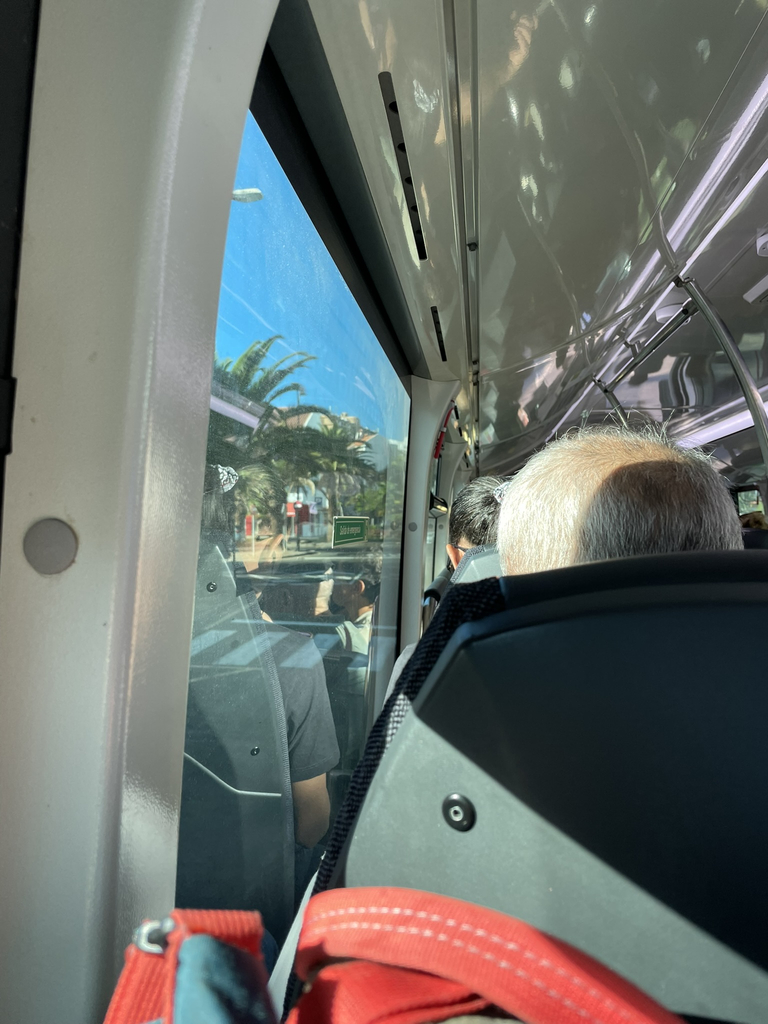
When people travel to Tenerife, they tend to either stay in an all-inclusive resort, or they rent a car. Whilst a car is definitely the easiest way of getting around in Tenerife, it isn’t the only option. When Dan & I went to the Canary Islands in October 2025, we we did a full loop of the island by bus. In this post, I’ll share my honest experiences about getting around in Tenerife without a car.
Public transport in Santa Cruz de Tenerife
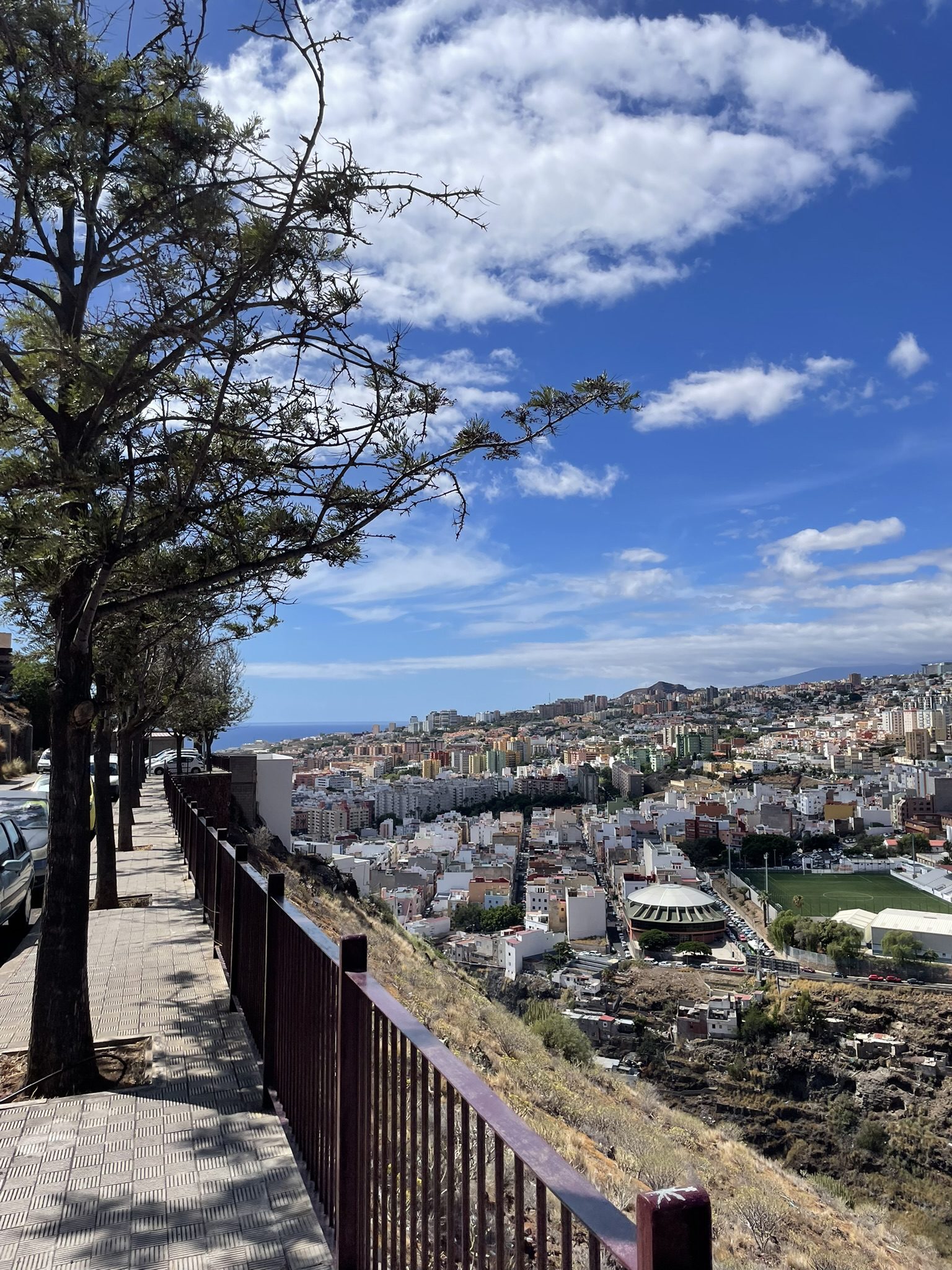
Tenerife’s capital is the most well-connected place on the island, which is probably no surpise to anyone. Its harbour has daily ferry connections to Gran Canaria, Fuerteventura, Lanzarote and La Palma. You can even get to Santa Cruz de Tenerife by ferry from Spain. The city itself has plenty of bus services, as well as a network of trams. The trams mostly connect Santa Cruz to its suburbs and the nearby city of San Cristóbal de La Laguna. I therefore didn’t use the trams, but they can be convenient to get to the bus interchange near Tenerife North Airport.
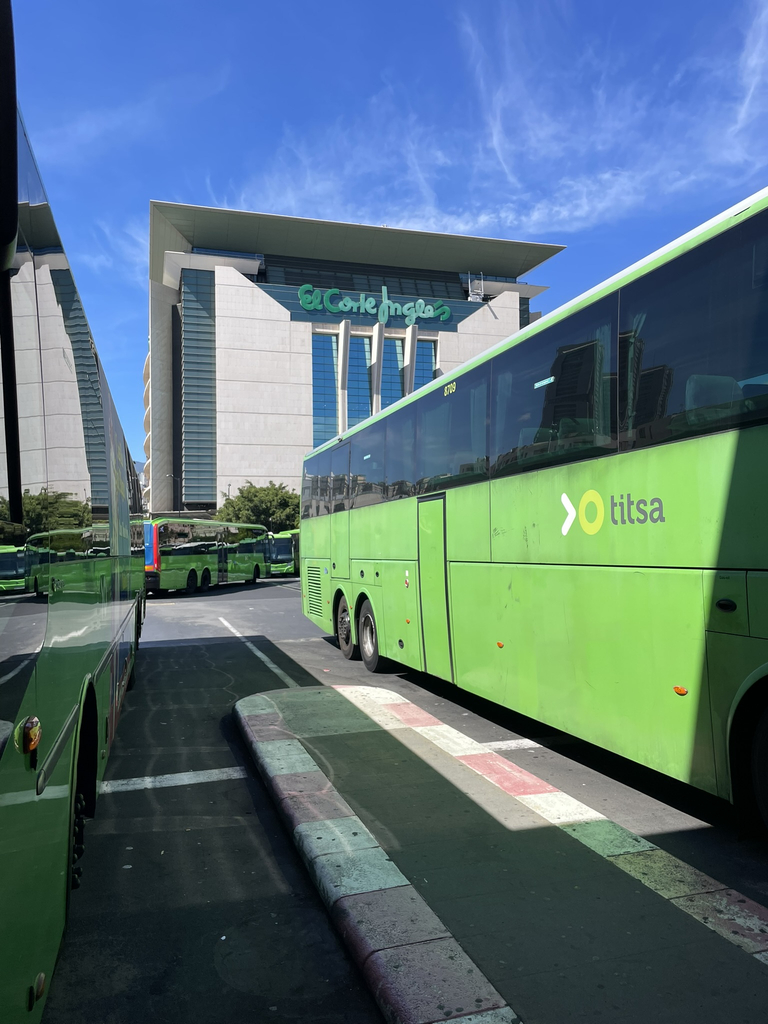
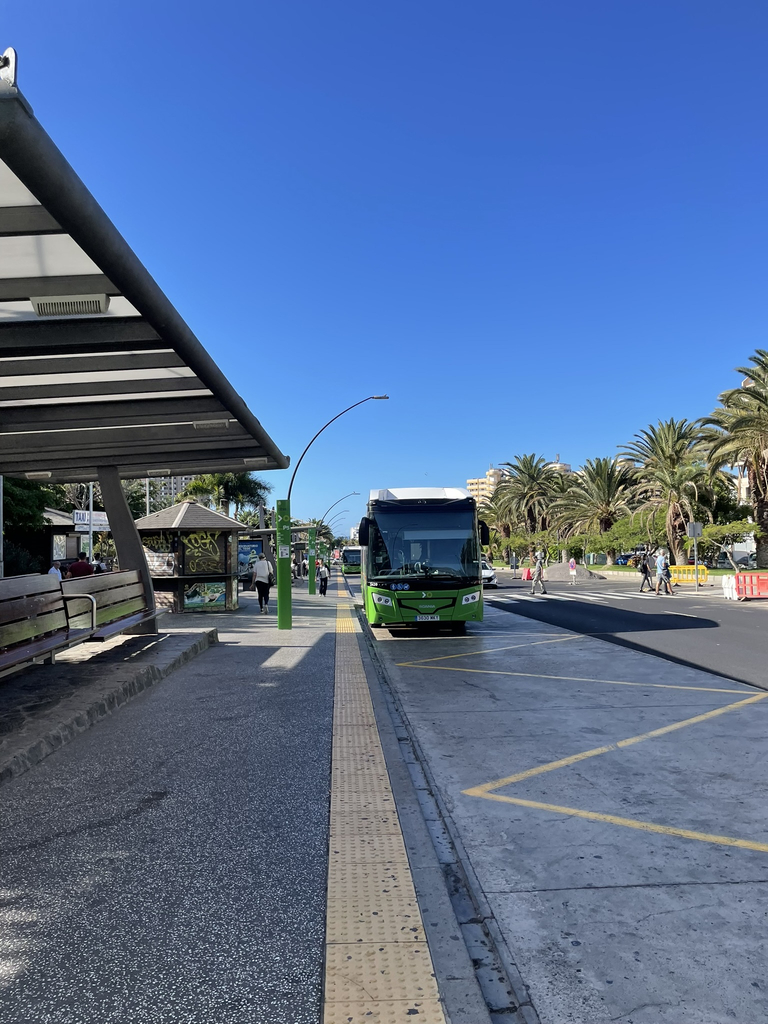
Buses from Santa Cruz to elsewhere on the island are frequent. Most leave from the interchange on the southern end of the city centre. It’s within walking distance of the harbour and museums. A bus from the interchange to the south (Los Cristianos) takes just under an hour. The route is not very pretty, though, as you travel along the motorway. Buses to the northwest (Puerto de la Cruz) are only 16 minutes, also along the motorway.
Buses outside of the capital
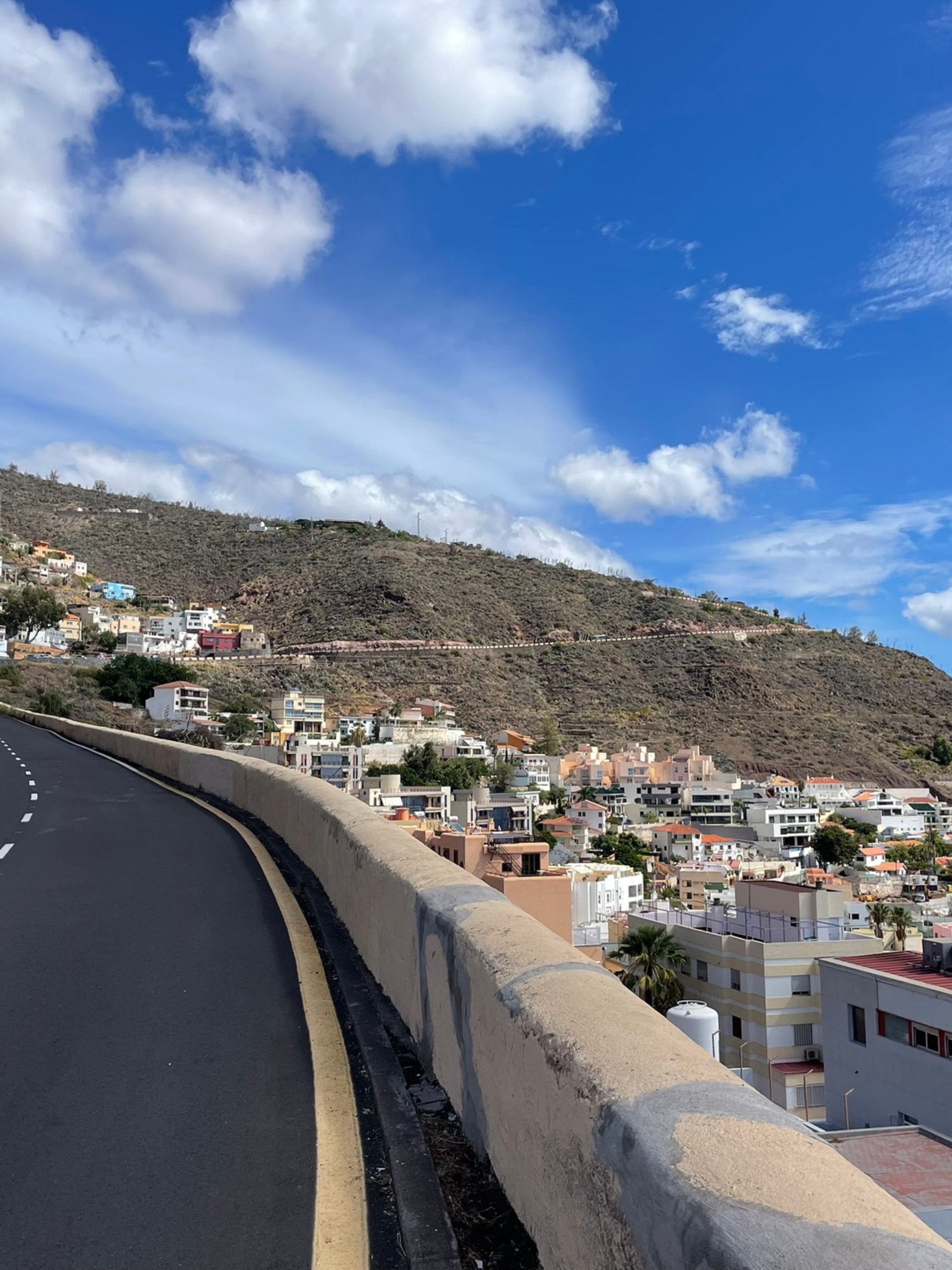
Los Cristianos and Costa Adeje are probably the second best connected cities on Tenerife. Both have a bus interchange with lots of connections to elsewhere on the island. From Costa Adeje, I took a bus to Icod de los Vinos. It took us on some steep and windy roads, which made for slow progress. The views were good during the second half of the 1.5 hours on this direct bus, but it is a horrendous journey if you’re prone to car sickness.
You can also get around to villages in Tenerife without a car. Buses from the cities into villages are surprisingly frequent. You can get to most places on a direct bus. However, if you want to get from one village to another village, you often have to go through a city to change buses there. In other words, bus connections tend to connect villages to cities, but direct connections between villages that bypass the cities are rare. This means your journey can be lengthy and involve quite a detour.
Getting to Teide
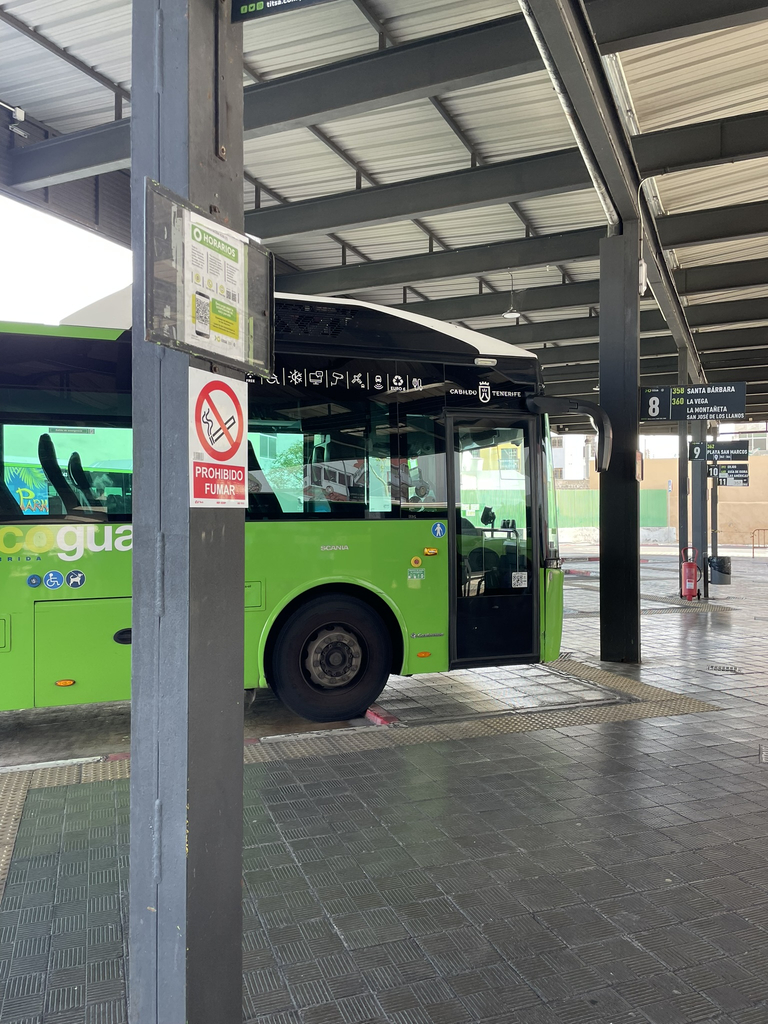
If you want to visit Mount Teide in the very centre of Tenerife, make sure to plan ahead. Dan & I had wrongly assumed that there would be plenty of buses to the volcano, but this turned out not to be the case. You can only reach the volcano from the north or south. This means taking a bus from either Puerto de la Cruz (línea 348) or Costa Adaje (línea 342). The direct buses take between 1 hour and 40 minutes to 2 hours 15 minutes, so if you’re not directly on the bus line and need to add a change, it will be a long journey.
Booking a tour to Mount Teide that includes transport is a more efficient but also much more expensive option. This requires booking in advance, as such tours do sell out and become even costlier at the last minute. With bus tickets costing around €11 for a return, I wouldn’t be easily tempted to opt for an organised tour. More importantly, don’t forget to reserve your entrance slot if you want to hike to the top of Mount Teide, as numbers are capped.
Buses to hiking trails
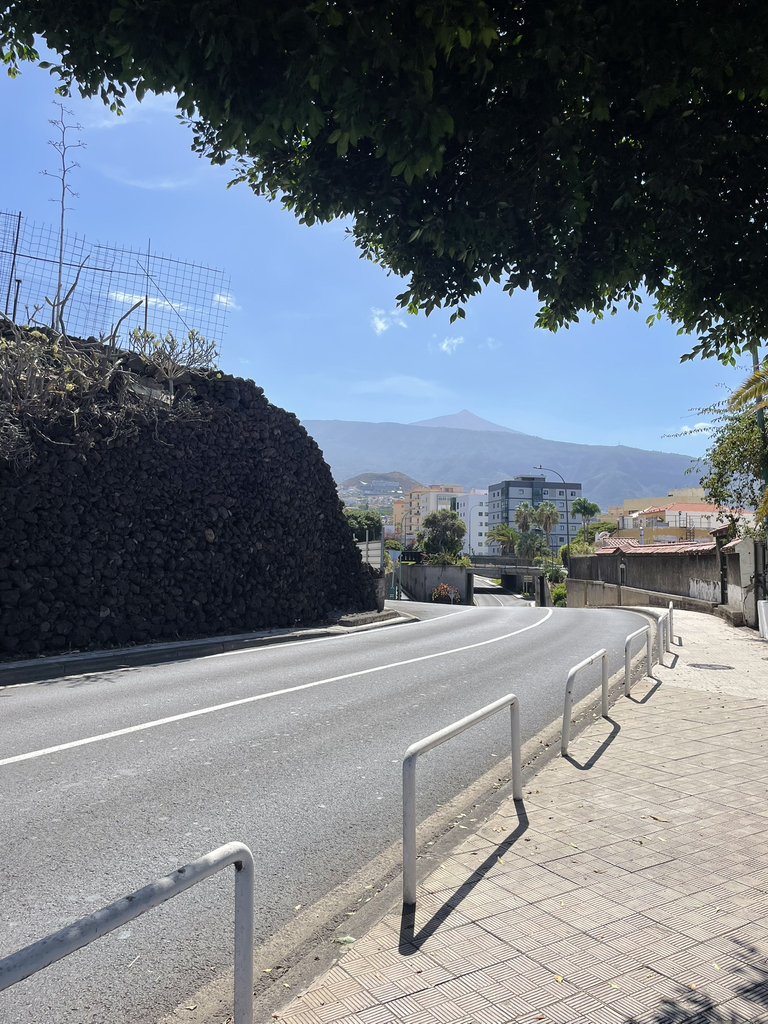
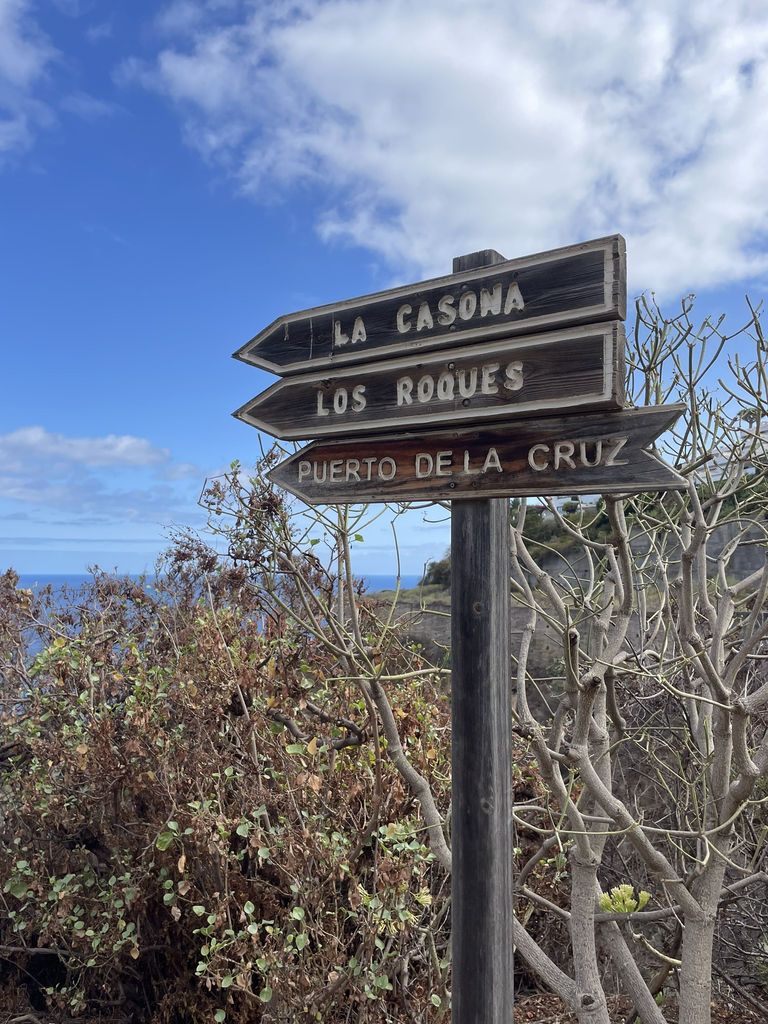
I found buses to the start of hiking trails difficult to find. These rural buses often run only a couple of times a day, so it again requires advance planning. I recommend researching trails beforehand, as well, as scenic hikes are mostly limited to the southwest and north of the island. What Dan & I ended up doing was taking a bus halfway up a mountain, then hiking from there and walking back down to the village we were staying at. This worked reasonably well, though nature areas are definitely more accesible if you have a car.
Bus tickets and customer service
You can buy tickets on the bus and pay by card. All Titsa buses accept contactless payment, which is very convenient. Bus prices are relative to the length of the journey, so make sure to tell the bus driver where you are getting off. We had trouble twice where the payment machine didn’t seem to accept my payment, as it didn’t print the ticket. I kept trying again, but the machine still refused to print, and my banking app didn’t immediately show the transaction. Later, it turned out I did get charged every time I tapped the machine. I’ve tried my best to get this money back, but I was getting nowhere with the customer service. They refused to refund me if I couldn’t show a receipt, even though the core of the issue was that the payment machines failed to print anything. To avoid this, you can buy tickets in the “ten+ Móvil” app instead, or use a travel card.
Conclusion
To summarise, I think getting around in Tenerife without a car is very doable and affordable if you’re mainly sticking to cities and larger towns. If you plan to go hiking and stay in smaller villages, you can still make do with public transport if you plan well before your trip. Because we hadn’t done this and underestimated the size of the island, we ended up not being able to reach some areas we’d wanted to see. Hiking trails also weren’t as omnipresent as we had assumed, so if you’re like us and want to visit Tenerife for its nature, I’d actually encourage a visit to La Palma instead.
Most important tips
- When sticking to cities and larger towns, you definitely do not need to rent a car
- Research bus connections before deciding where to book accommodation
- Plan your trip to Teide in advance, as bus routes to the volcano are scarce
- Don’t forget to book your entry slot to the top of Mount Teide
- Getting to the most rural nature areas in Tenerife by public transport is a challenge
Helpful maps
A useful guide to navigating Tenerife without a car is enclosed below. This avoids you having to scour the internet for bus routes, though it’s always a good idea to check the exact departure times beforehand, as this guide is from 2020. If you use the link below, you support local bookshops and The Sustainable Travel Guide, as I receive a small commission (at no extra cost to you).